


What’s PMS?
PMS stands for premenstrual syndrome — the emotional and physical symptoms that some people feel right before and during their periods. PMS is caused by the hormonal changes that your body goes through during your menstrual cycle. Some people get PMS every time they have their periods. Others only get PMS every once in a while. You may have all or just some of the common PMS symptoms. And some people don’t get PMS at all.

What if I Missed the Periods?
When should I see a doctor about my menstrual cycle?
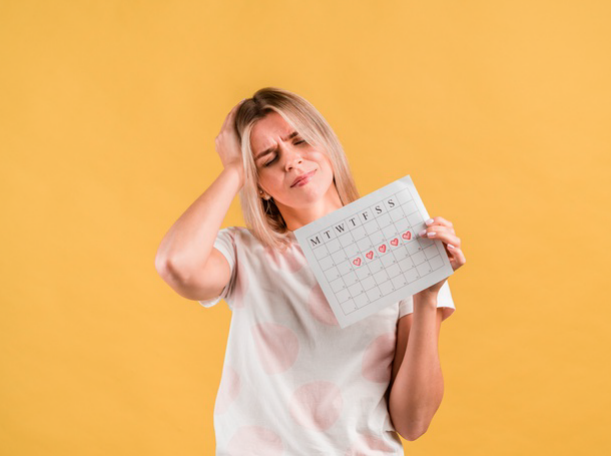
A missed period is one of the first signs of pregnancy, but it doesn’t always mean you’re pregnant. Sometimes you skip a period for no reason at all, especially during the first few years of your period. Lots of other things can throw off your regular cycle and mess with the timing of your period.
Hormonal birth control can affect your cycle, and even make your period stop altogether in such cases it’s very important to consult your health care provider regarding a safe and effective treatment such as NORMENS that works along your body and improves such symptoms.
These include:
- Using hormonal birth control, like the pill, patch, ring, implant, and hormonal IUD
- Changes in your hormones.
- Being sick.
- Taking certain medicines.
- Exercising too much.
- Poor diet and nutrition.
- Stress.
- Sudden weight gain or loss.
- Having very little body fat, which can happen if you’re an athlete or have an eating disorder.
- Menopause (when your period stops for good).
Physical symptoms of PMS include:
Craving certain foods or being more hungry than usual
Tender, swollen, or sore breasts
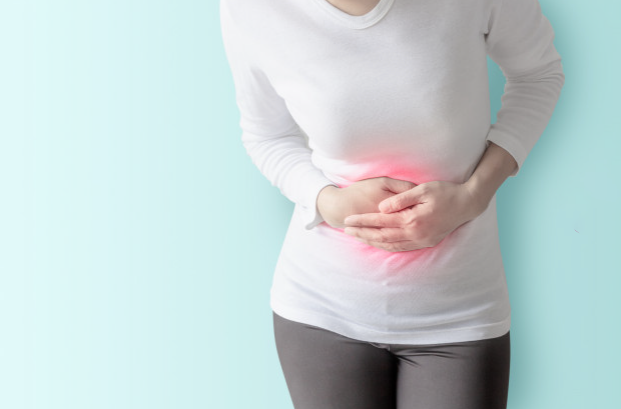
Feeling bloated (puffy or full in your stomach)
Gaining a little weight
Headaches
Dizziness
Aches and pains in your joints or muscles
Feeling more tired than usual or needing more naps
Skin problems, like pimples
Upset stomach
Cramps or pain in your belly
Emotional symptoms of PMS include:
- Feeling sad, depressed, tense or anxious
- Mood swings
- Feeling more irritable or angry than normal
- Crying suddenly
- Not feeling very social or wanting to be around people
- Having trouble concentrating
- Trouble falling asleep or staying asleep
- Changes in your desire to have sex
It’s common to have some of these symptoms and not others. For example, you might have bloating and sore breasts, but not mood swings or skin problems. It may also change from month to month: you could be tired and cranky one month but not the next, or have cramps one month but not the next. It’s different for every person.
How severe a PMS can be ?
Some people have really severe PMS that’s called Premenstrual Dysphoric Disorder (PMDD). PMDD symptoms can be really scary and may include feeling out of control, depressed, having panic attacks, or even feeling suicidal. If you think you’re experiencing symptoms of PMDD, see a doctor as soon as possible.
